1. Practice on Your Own Schedule
A home barre lets you fit short practice sessions into your day, whether you prefer moving in the morning or stretching after work. You don’t have to work around studio hours or a commute.
2. Develop Better Body Awareness
Ballet movements encourage attention to posture, coordination, and alignment. Practicing slowly at a barre gives you an opportunity to notice how your body moves and make controlled adjustments.
3. Make Balance Exercises More Accessible
A ballet barre provides convenient light hand support during appropriate exercises. It should never be used to support your full body weight unless the manufacturer specifically permits it.
4. Create a Dedicated Practice Routine
Having equipment ready to use can make starting a session easier. Instead of rearranging furniture every time, you have a recognizable place to begin.
5. Adapt Your Practice Space
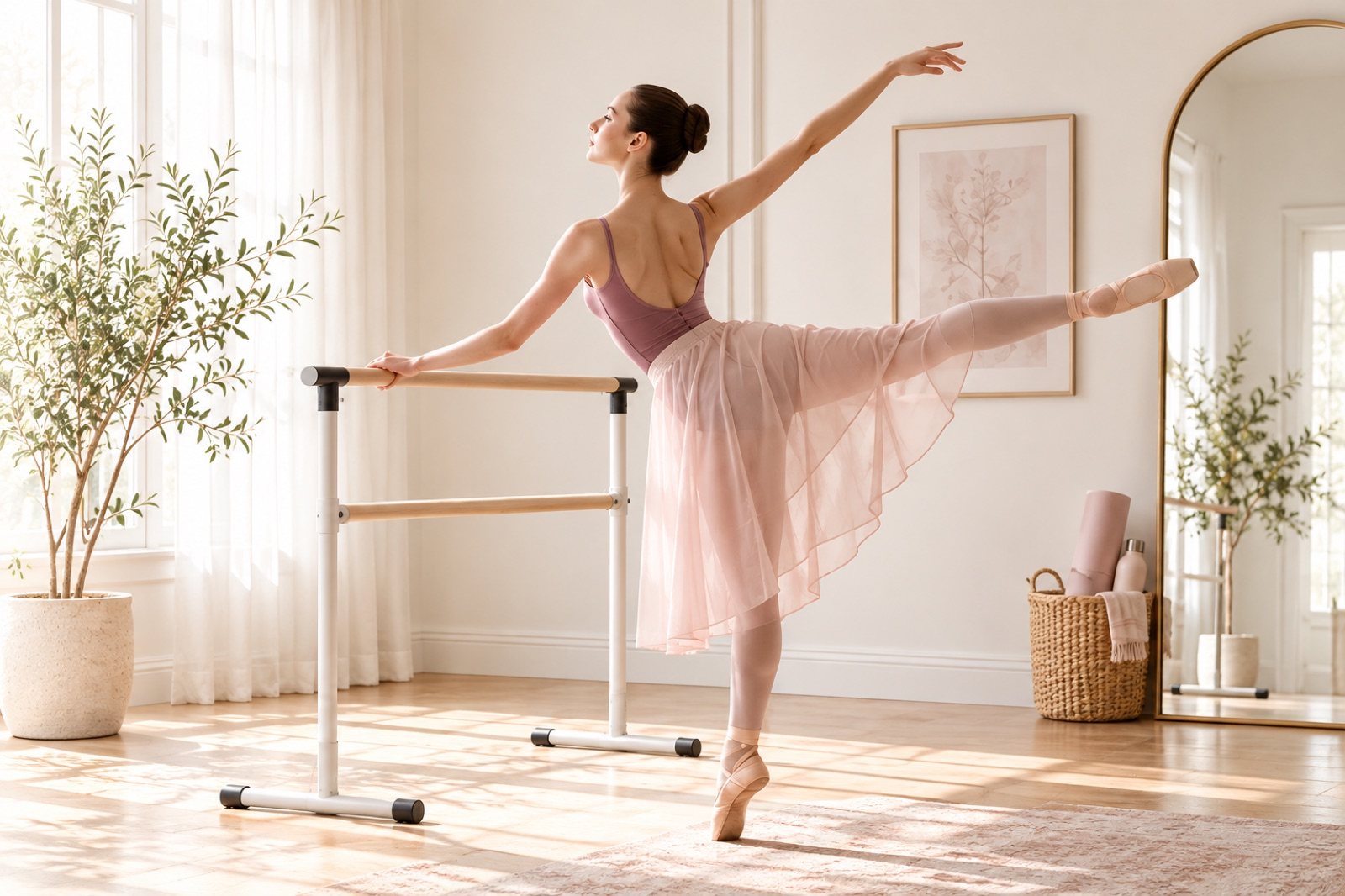
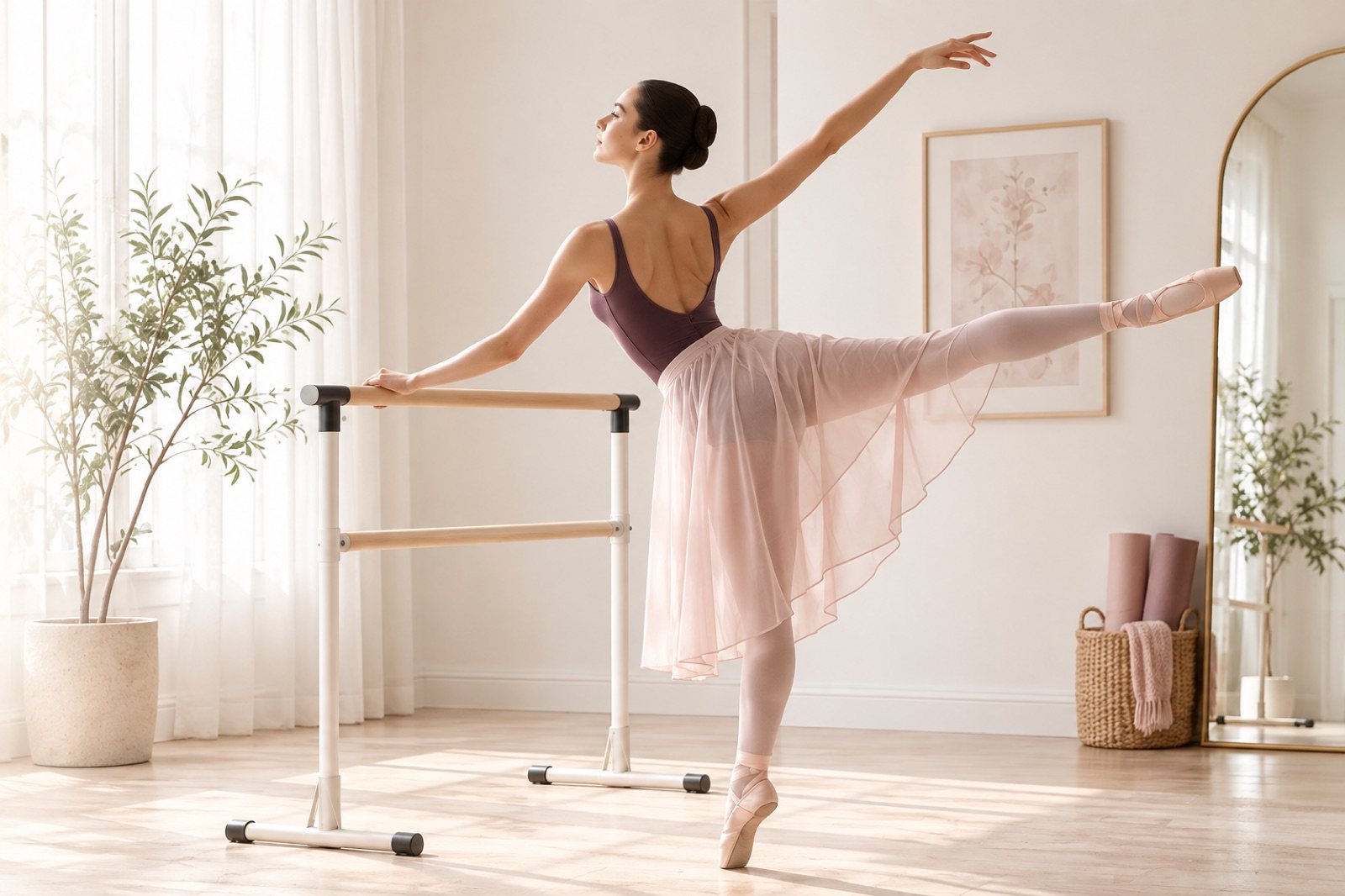
Many portable barres are designed for residential spaces, with adjustable heights, removable parts, or compact footprints. The right design depends on your room and practice habits. If you want to see what a home-friendly model looks like, you can see this home-friendly ballet barre.
6. Explore Different Types of Movement
A home barre can support suitable basic ballet exercises, standing mobility work, and some barre-inspired fitness routines. Select exercises appropriate for your experience and abilities.
7. Enjoy a More Personal Practice Experience
Choose your own music, session length, and areas of focus. Home practice can complement instruction while leaving room for individual preferences.
Final Thoughts
The benefits of having a ballet barre at home go beyond convenience. Start with a safe setup, realistic goals, and exercises that match your abilities. Small, consistent sessions can become a rewarding habit.